
Conservet offers an externship in Conservation Medicine and One Health for veterinary students and veterinarians, as well as students and professionals in public health, ecology and allied specialties. Conservation Medicine, also known as One Health, is an emerging professional discipline that explores the dynamic interface between animal, human and environmental health from both regional and global perspectives.
Conservet is an experiential on-site externship in a montane forest ecosystem of rural Costa Rica that places students in the center of a dynamic, complex ecosystem where the intricacies of regional and global environmental functions and services are studied, along with the consequences that can occur when natural processes are disrupted.
Conservet externship participants are oriented toward the basic principles of ecologic (One Health) medicine and veterinary ecology, with an emphasis on the root causes of health dysfunction, some of which are:
Defining the ultimate causes of illness provides opportunities to intervene farther upstream in the chain of events that otherwise can result in declining wellness, culminating in the diseased state.
Conservet is a veterinary ecosystem-based approach to health, seeking to define and address the origins of health dysfunction at the level of individuals and populations in an environmental context.
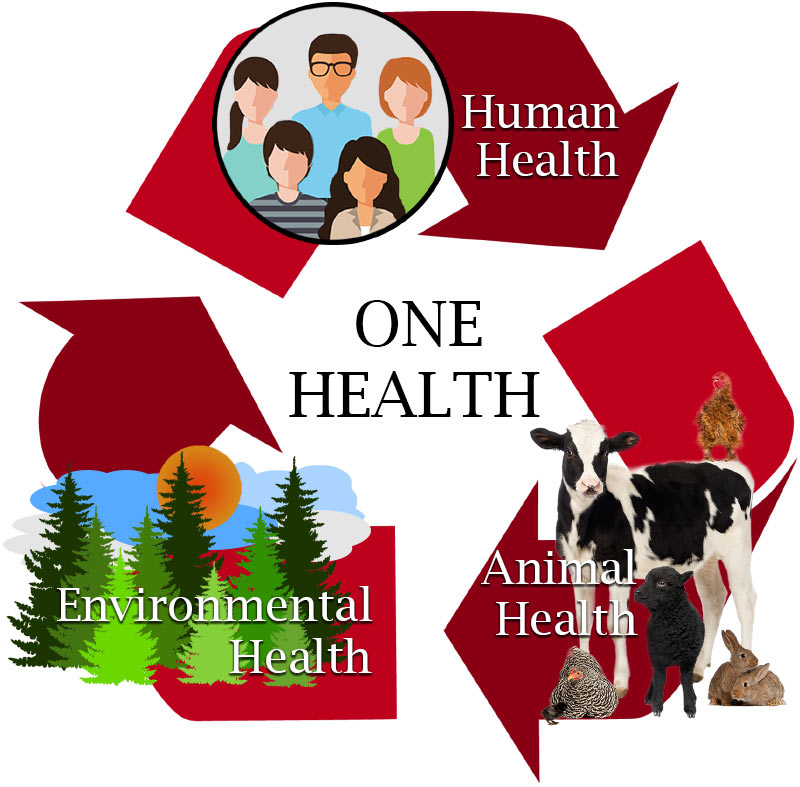
The One Health approach expands the veterinary professional footprint by engaging multiple professional disciplines and lay stakeholders (including local communities) in order to recognize and incorporate a range of perspectives and interests to arrive at consensus solutions to complex problems that may present not only technical, but also socioeconomic challenges. Solutions can involve a variety of clinical and non-clinical interventions including:
Regenerative Agriculture
In recent years, industrial agriculture practices have come under increasing scrutiny related to an oversized ecological footprint that places considerable stress on both nearby and distant environments, violating the principles of ecological economics. Production animal crowding has run counter to sound animal husbandry practices, leading to the overuse of antimicrobials and the rise of antimicrobial resistance, threatening both veterinary and human medical applications. This is currently inspiring a fresh look at more sustainable and secure food production systems, particularly an evolving practice called Regenerative Agriculture, a term originally coined in the 1980s.
Conservet's exploration of these concepts will enlist study of such key species as amphibians, fish, birds, bats, rodents, opossums, insects and livestock. Students will participate in ongoing research projects as a part of the workshop, guided by instructors in the fields of ecology and medicine.
Search for Root Causes of Disease
Study the One Health Approach to Global Wellness
Conservet Externship: Coming Summer 2027
Course Description
INSTRUCTIONAL ACTIVITIES
Teaching Staff
EXPERT INSTRUCTORS
Individual workshops comprising the externship are conducted by professionals in the fields of environmental biology, ecology and medicine who will guide participants in an exploration of the complexities of environmental functions and the dysfunctions that can occur when these natural processes are disrupted by regional and global disturbances, from agricultural practices to forest fragmentation to climate change.

CONSERVATION MEDICINE
WORKSHOP OVERVIEW

BEFORE YOU APPLY
LOGISTICS
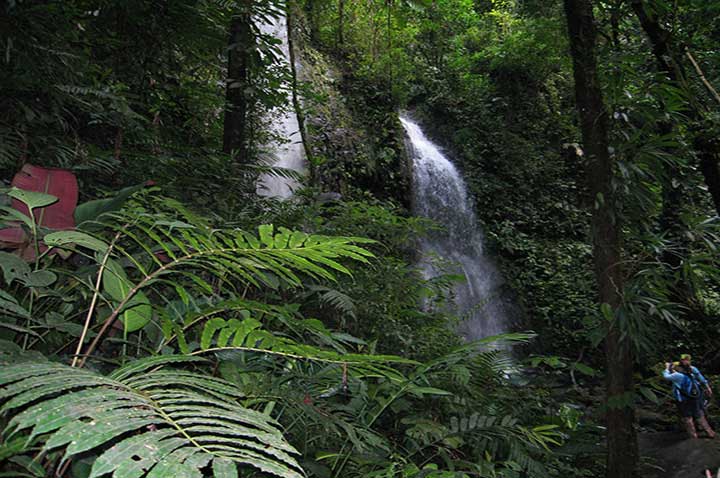
Intact primary forests provide essential ecosystem services.
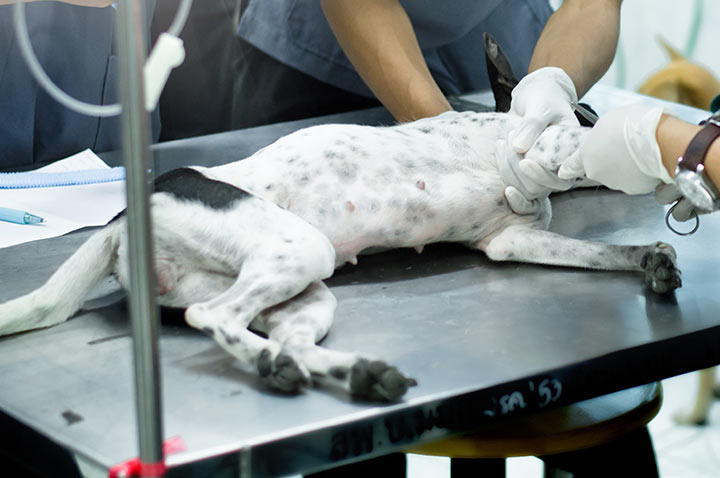
Companion animals also have many important roles in One Health.
“Conservet offered me a unique chance to explore connections between human and animal health. It can be difficult to find hands-on approaches that are a synthesis of these disciplines. As a graduate student in ecology, One Health was the perfect blend for me. In a world where we face wicked problems and grand challenges, this program offered conceptual approaches from new angles, as well as an opportunity to work on a team with students from different career paths. Looking back, it was the best experience I had in grad school. I was able to make lasting friendships, professional connections, and get a breadth of skills that would have been challenging to obtain otherwise.”
Krista Shires - Course Participant
Conservation Veterinary Medicine
Animal, Human and Environmental Health Connection
Conservet EXTERNSHIP
One Health Overview
Conservet Costa Rica
Research
Externship Logistics
Who We Are
Application
Conservation Links
Conservet Photos
OTHER IGHHP EXTERNSHIPS
MARVET Mississippi-Marine Animal Medicine
MARVET Roatán-Marine Animal Medicine
Conservation Medicine and One Health Externships for Veterinary Students
Exploring the Connection Between Animal, Human and Environmental Health
Searching for the Root Causes of Disease
Conservet is an educational workshop conducted by
The Institute for Global Health and Health Policy,
which is a 501(c)(3) non-profit organization.
Website by Brazos Web Design
